DigCrew Conveyors and Belt Automation
Place belts, feed excavators, load dumps, and stop living on tip-truck only cycles.
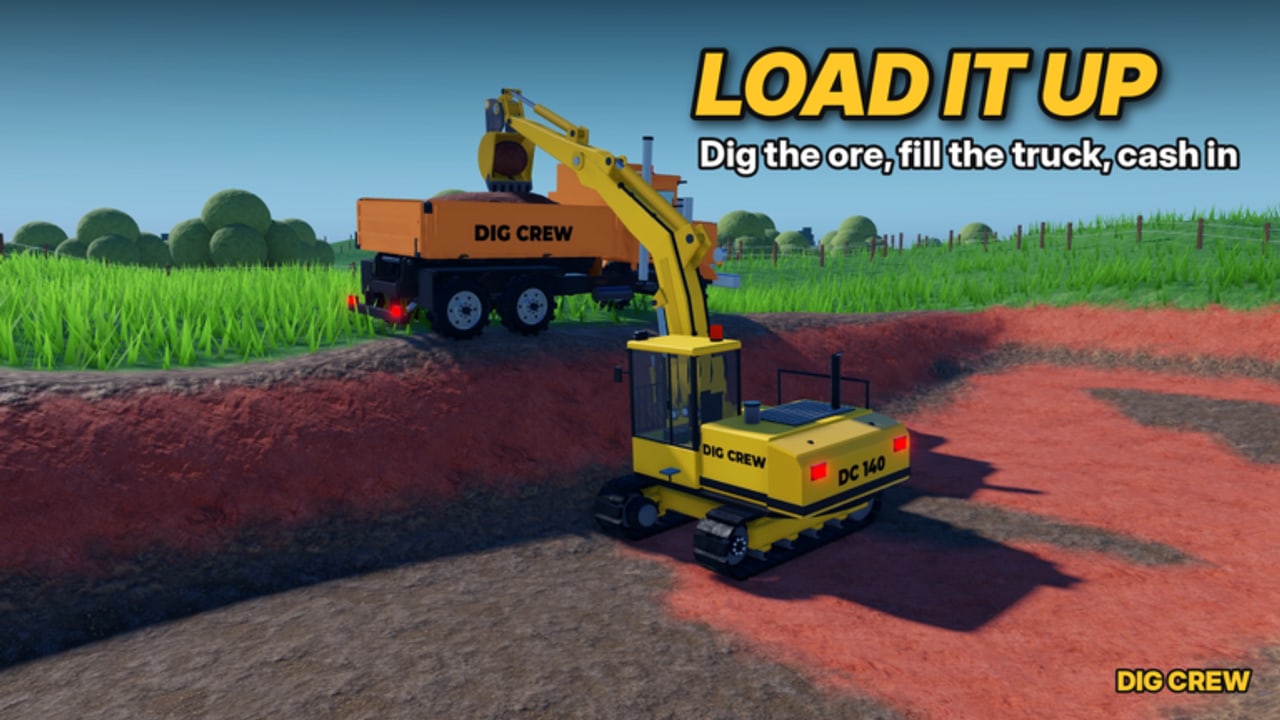
Conveyors are the DigCrew mid-game hinge between hand-loading tip trucks and a real pit that runs while you dig. Once your starter digger and tip truck can finish First Haul without drama, the next bottleneck is usually the walk from bucket to tray—not raw dig power. A belt class around the 35k shop tier (confirm live prices) shortens that gap: excavator feeds the hopper, the belt carries material to a dump truck, silo, or processing intake, and you stay on the face instead of babysitting every scoop.
This guide covers buying and placing conveyors, pairing them with excavators and dump trucks, living inside belt capacity limits (crews often mention roughly two workers worth of feed before the line chokes), keeping fuel and power on, aiming discharge at silos or dumps, and handing routes to hired drivers. It also explains when belts beat tip-truck-only play—and when they are still a waste of cash. Cross-check machine classes in the machines guide and purchase order in make money.
Why conveyors exist in DigCrew
DigCrew reshapes real terrain. Every deep face that looks productive also makes the haul path longer. Tip-truck-only crews burn minutes backing into awkward benches, spilling loads on ramps, and leaving the excavator idle. Conveyors reverse that: dig volume stays high while trucks cycle on a short, predictable load point.
Belts also prepare you for processing. Crushers and wash plants want steady feed. A crooked hand-dump into a crusher hopper wastes more ore than a centered belt discharge. Mid-game money is volume times value; conveyors protect the volume half so processing can raise the value half.
When to buy your first belt
Buy a conveyor after you can:
- Claim and work a valley lease without getting stuck every session.
- Sell full tip-truck loads at the Railyard on autopilot.
- Afford a stronger excavator and a dump truck upgrade in the same shopping trip, or already own both.
- Keep fuel stocked without panic buys.
If you still miss First Haul or bounce between empty trays and empty pockets, stay on the tip-truck loop. A 35k-class belt that sits unpowered while you scrape starter dirt is a parked liability. The tier list ranks conveyors high in mid game precisely because early game still belongs to dig-and-haul basics.
Buying and placing the conveyor
Open the shop, pick a conveyor tier you can fuel and feed, and place it on firm, graded ground. Height and alignment decide whether the belt earns its keep:
- Grade a short pad so the feed end sits where the excavator boom can dump without climbing weird benches.
- Aim the discharge end at a dump truck parking spot, silo mouth, or plant hopper—not into a trench you will dig tomorrow.
- Leave turning room for the dump truck so hired drivers are not reversing into the belt frame.
- Power the unit on after placement. Player sessions repeatedly show belts that look correct but do nothing until the interact power state is toggled (Space / G style prompts depending on controls).
If material spills halfway down the run, raise or lower the feed, shorten the span, or rebuild rather than digging faster. Spilled ore is unpaid labor.
Pairing excavator + conveyor + dump truck
The classic mid-game package filmed in community excavator episodes is simple:
| Role | Job |
|---|---|
| Excavator | Dig the face and feed the belt hopper |
| Conveyor | Carry material to a fixed load point |
| Dump truck | Collect discharge and run to Railyard or plant |
Do not buy a huge excavator for a tiny belt, or a long belt for a tip truck that cannot clear the discharge fast enough. Match bucket size, belt capacity, and tray volume. Crews that mention roughly two workers of sustained feed are describing a soft capacity ceiling: overfeed and the belt backs up; underfeed and you paid for idle steel.
Park the dump so the tray sits under the discharge. Teach yourself the rhythm—dig, belt moves, tray fills, truck leaves, next truck or the same truck returns—before you add a second excavator face. One clean triangle beats three half-built ones.
Fuel, power, and downtime
Conveyors and the machines that feed them stop when empty or unpowered. Treat fuel like a payroll cost:
- Stage fuel near the excavator and any powered plant gear.
- Check the belt power state after every logout; pits save terrain, not your attention.
- Never route a fuel trailer through the active swing arc.
A dead belt with a full excavator bucket is the same failure mode as a dead tip truck: production without logistics.
Silo and dump targeting
Decide the discharge target before you place the frame:
- Direct dump truck load — best early mid-game; fastest path to Railyard cash.
- Silo / stockpile — buffers uneven dig rates so trucks can AFK-load later.
- Processing intake — feeds crushers or wash circuits covered in processing.
Retargeting later means rebuild time. If you know you will process within a few sessions, aim the belt at the plant pad and keep a short truck spur from plant output to the Railyard instead of double-handling raw dirt forever.
Automation with hired drivers
Conveyors and hired drivers are designed to stack. Draw a clear haul route from the discharge bay to the Railyard (or plant outfeed), hire drivers, and keep digging. Best practices:
- Finish road grade before hiring so NPCs are not stuck in your trenches.
- Use dump beds large enough that drivers are not making toy trips.
- Keep one human eye on fuel and belt power during the first automated hour.
- On eight-player servers, agree who edits routes so two players do not overwrite waypoints.
Drivers will not invent a good belt layout. They only multiply a layout that already works when you drive it yourself.
Mid-game belts vs tip-truck only
Stay tip-truck only when cash is tight, the face is still shallow, or you are learning controls. Tip trucks teach roads, dump angles, and Railyard timing without another machine to power.
Add conveyors when excavator wait time is your complaint, when you are ready for processing feed, or when you want drivers to haul while you dig. Mid-game DigCrew stops feeling like a chore the moment the belt owns the middle of the loop.
Skip belts if you are about to abandon the valley face for a ridge lease you have not graded yet. Move the package when the new claim has a flat load bay—do not transplant a crooked valley belt into swamp mud and hope.
Common conveyor failures
| Failure | Fix |
|---|---|
| Belt placed but idle | Power/interact on; check fuel |
| Constant spills | Fix feed height and alignment |
| Excavator waiting on full belt | Add dump capacity or slow dig feed |
| Drivers stuck | Rebuild road; clear swing zone |
| No cash after belt buy | Return to Railyard cycles; see make money |
Related DigCrew pages
- Machines — excavator, dump, and belt roster notes.
- Hire Drivers — route drawing and NPC haul habits.
- Make Money — when belts enter the cash ladder.
- Getting Started — tip-truck foundation before belts.
- Processing — crushers and wash plants that love steady feed.
- Tier List — stage rankings for dig and haul gear.
- Best Excavators — which digger should feed your belt.
Place the belt on purpose, feed it on purpose, and empty it on purpose. DigCrew conveyors are not decoration—they are the difference between a tip-truck hobby pit and a mid-game claim that prints while you swing.
Frequently Asked Questions
Quick answers for DigCrew miners and haul crews.
How much does a DigCrew conveyor cost?
Community videos often cite a conveyor class around 35k. Always confirm the live shop price before you sell haul capacity to afford one.
What machines should I pair with a conveyor?
A mid excavator to feed the belt and a dump truck (or silo/plant intake) to clear the discharge. Match dig rate to belt and tray capacity.
Why is my DigCrew conveyor not moving material?
Check power/interact state, fuel, feed height, and whether the discharge is blocked. Misaligned belts spill instead of carrying.
Do conveyors work with hired drivers?
Yes. Belts shine when drivers haul from a fixed load point while you dig. Build the road and belt first, then hire—see hire drivers.
Should beginners buy a conveyor before First Haul?
No. Finish the starter digger and tip truck loop in Getting Started first, then add belts when dig volume outruns hand-loading.